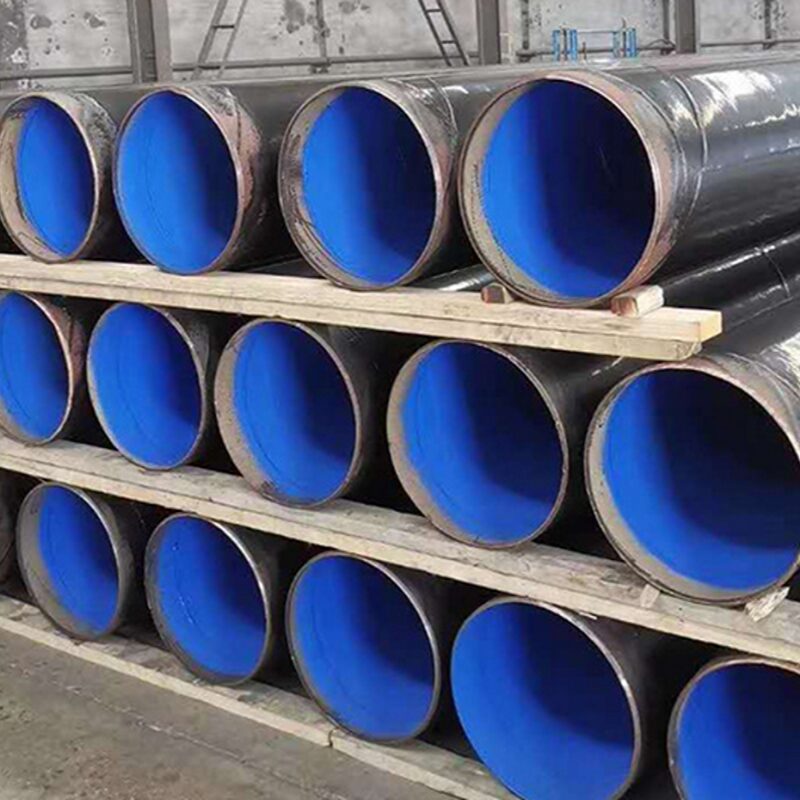
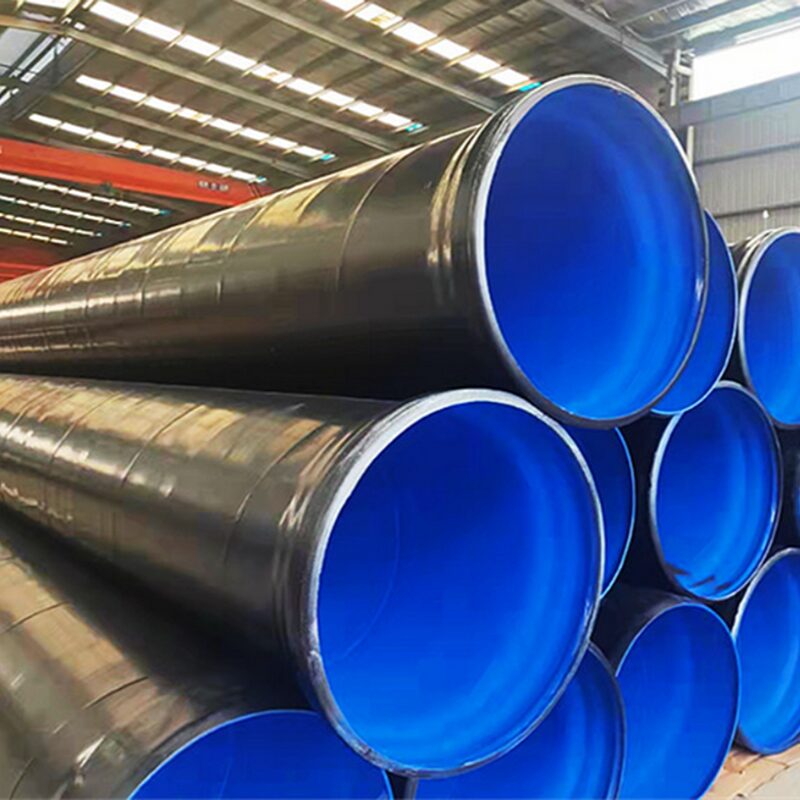
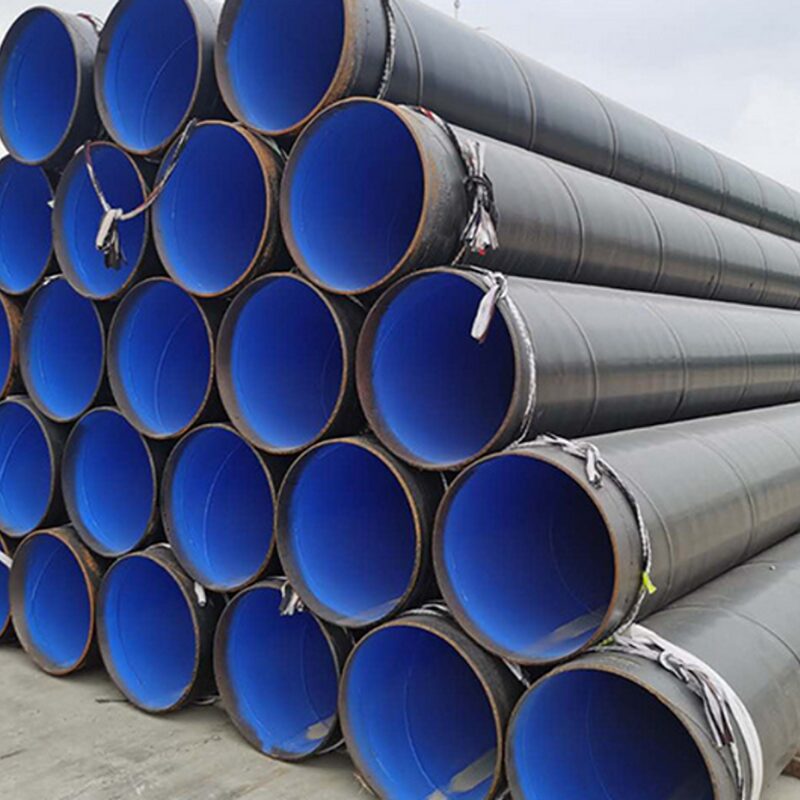
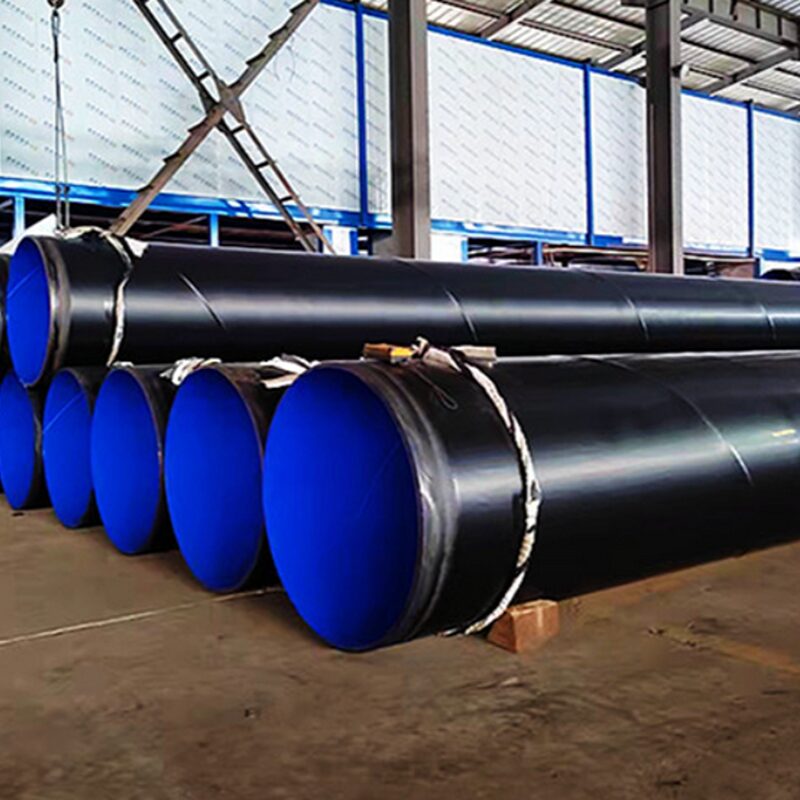
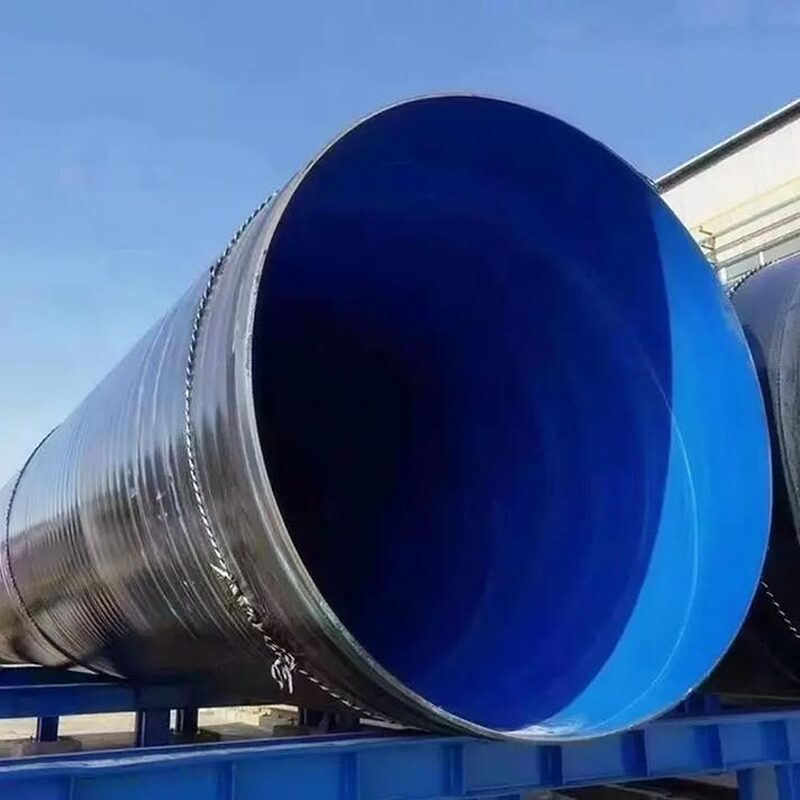
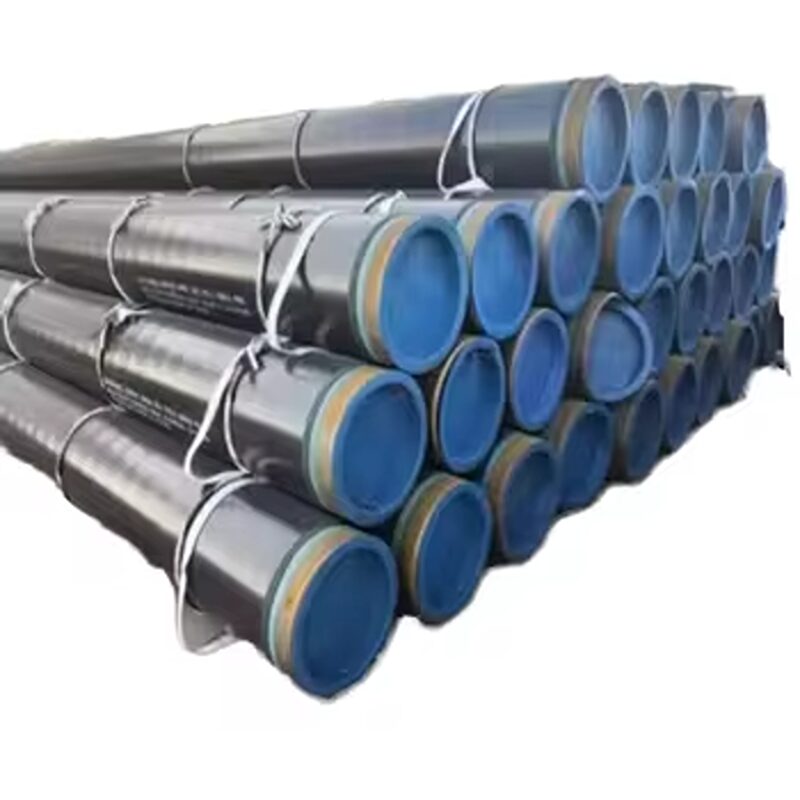
3PP coated steel pipe is designed for pipeline construction projects that require external corrosion protection and consideration of mechanical stresses during transportation, installation, and service. It can be considered for pipeline systems installed in rocky terrain or other challenging environments where contact with abrasive materials may present a risk to the external coating.
The three-layer polypropylene coating system forms a protective barrier around the steel pipe. When properly specified and applied, it helps isolate the steel surface from surrounding environmental conditions and contributes to mechanical protection during suitable handling and installation operations. The actual performance of the coating depends on the coating formulation, thickness, surface preparation, application quality, and site conditions.
For rocky terrain pipeline projects, coating selection should be coordinated with the pipeline design, installation method, backfilling materials, and expected operating environment. Pipe dimensions, steel grade, coating requirements, and inspection criteria can be specified according to the project requirements and the supplier's confirmed manufacturing capabilities.
Three-Layer Polypropylene Coating Structure
A typical three-layer polypropylene (3PP) coating system consists of a fusion-bonded epoxy primer, an adhesive intermediate layer, and a polypropylene outer layer. Each layer performs a different function within the complete protective system.
The epoxy primer is applied to a properly prepared steel surface to provide an initial protective layer and promote adhesion. The adhesive intermediate layer helps bond the primer to the polypropylene outer layer. The outer polypropylene layer forms the main external barrier and contributes to mechanical protection under suitable service conditions.
This layered structure can be considered for pipeline projects where both external corrosion protection and resistance to specified mechanical influences are important. However, the presence of a polypropylene outer layer alone does not establish a particular abrasion-resistance rating. Where pipelines will be installed across rocky ground or exposed to abrasive contact, buyers should confirm the coating system's technical data and any relevant impact, abrasion, or other performance test results.
Applications in Rocky Terrain
Pipeline construction in rocky areas can present challenges during pipe handling, trench preparation, lowering, and backfilling. Uneven ground, sharp stones, and contact with construction equipment may damage a coating if appropriate protective measures are not followed.
3PP coated steel pipe can be considered for pipeline projects in rocky terrain when the specified coating system is suitable for the expected mechanical and environmental conditions. Potential applications include oil and gas infrastructure, industrial fluid transportation, energy pipeline projects, and other steel pipeline systems that require external corrosion protection.
The appropriate pipe and coating configuration should be determined according to the installation design and service requirements. Depending on the project, additional protective measures, such as suitable bedding material, controlled backfilling, protective padding, or approved coating repair procedures, may be needed to reduce the risk of coating damage during installation.
External Corrosion and Mechanical Protection
External corrosion can affect the long-term integrity of steel pipelines when the protective system is inadequate or damaged. A properly applied 3PP coating helps separate the steel substrate from the surrounding environment and can reduce direct exposure to moisture and potentially corrosive substances.
The polypropylene outer layer also contributes to protection against mechanical influences during suitable handling, transportation, and installation conditions. For projects involving rocky ground, coating thickness, material properties, pipe handling procedures, and installation practices should be reviewed together rather than relying on the coating alone.
If a project requires a defined wear-resistance or abrasion-resistance level, the required test method and acceptance criteria should be agreed before production. Product suitability should be established through the applicable specification and verified performance information.
Product Specifications and Customization
3PP coated steel pipes can be specified according to the technical requirements of individual pipeline projects. Depending on manufacturing capability and the agreed order specification, options may include different outside diameters, wall thicknesses, pipe lengths, steel grades, and coating thicknesses.
The steel pipe standard and material grade should be selected according to design pressure, transported medium, installation conditions, and applicable engineering requirements. The external coating system should be matched to the environmental exposure and expected mechanical stresses.
When requesting a quotation, buyers should provide:
- Outside diameter and wall thickness
- Steel grade and applicable pipe manufacturing standard
- Required pipe length and dimensional tolerances
- Three-layer polypropylene coating specification
- Required coating thickness and acceptance criteria
- Installation environment and terrain conditions
- Any specified impact, abrasion, or adhesion testing
- Inspection documentation and marking requirements
- Order quantity, packaging preferences, and delivery destination
Providing this information allows the supplier to review the project requirements and determine an appropriate product configuration.
Quality Control and Inspection
Quality control should address both the steel pipe and the external coating. Depending on the agreed technical specification, inspections may include pipe dimension checks, visual examination, coating thickness measurement, adhesion testing, and other required evaluations.
For pipeline projects in rocky terrain, any additional mechanical performance tests should be defined in advance. Testing methods, acceptance limits, inspection frequency, and documentation requirements should be confirmed in the purchase specification. Certifications and inspection reports should only be claimed when they are available and applicable to the supplied product.
After coating application, proper storage, lifting, loading, and transportation procedures help minimize avoidable impact and abrasion. The external coating should be checked before installation, and any damage should be assessed and repaired using an approved procedure.
Packaging and Delivery
Packaging and transportation arrangements can be selected according to pipe dimensions, order quantity, transport method, and destination requirements. Suitable supports and handling practices help reduce the risk of damage during loading, inland transportation, sea freight, and unloading.
For an accurate quotation, buyers should provide the destination, quantity, pipe dimensions, individual pipe length, and preferred delivery terms. Where the project has specific packaging or transportation requirements, these should be included in the inquiry.
Ordering Information
For a project quotation, please provide the required steel pipe standard, material grade, outside diameter, wall thickness, length, 3PP coating specification, installation terrain, and quantity. If the project requires verified abrasion resistance or other mechanical performance criteria, please include the relevant technical requirements.
By coordinating the pipe specification, coating properties, installation method, and inspection requirements, buyers can better assess the suitability of 3PP coated steel pipe for pipeline construction in rocky terrain and other demanding environments.
Applications:
- Rocky Terrain Pipeline Construction: For pipeline projects in rocky areas where coating protection and careful installation practices are important.
- Oil and Gas Pipeline Systems: For suitable oil and gas pipeline projects requiring external corrosion protection.
- Buried Steel Pipelines: For underground pipeline installations exposed to soil moisture and potentially corrosive conditions.
- Industrial Fluid Transportation: For industrial pipelines operating under specified service conditions.
- Energy Infrastructure Projects: For pipeline construction and expansion projects where a three-layer polypropylene coating is specified.
- Challenging Terrain Installations: For pipeline routes crossing uneven ground or areas requiring additional attention to coating protection.
- Pipeline Engineering Projects: For projects requiring specified pipe dimensions, coating thicknesses, and inspection criteria.
Advantages:
- Three-Layer Polypropylene Coating: A typical 3PP system combines an epoxy primer, adhesive layer, and polypropylene outer layer for external protection.
- External Corrosion Protection: Helps protect the steel pipe from corrosive environmental exposure when properly applied and maintained.
- Mechanical Protection: The polypropylene outer layer contributes to protection against mechanical damage during suitable handling and installation.
- Suitable for Project-Based Specifications:** Coating configuration and pipe requirements can be defined according to the engineering specification.
- Customizable Pipe Dimensions: Outside diameter, wall thickness, pipe length, and steel grade can be specified according to project needs.
- Quality Inspection Options: Coating thickness, appearance, adhesion, and other inspection requirements can be agreed before production.
- Flexible Packaging and Delivery: Packaging and shipping arrangements can be coordinated according to pipe dimensions, order quantity, and destination.
- Procurement Coordination: Technical specifications and documentation requirements can be reviewed before order placement to support project procurement.
FAQ:
Q1: What is the minimum order quantity for 3LPE coated steel pipe?
A: The minimum order quantity is 1 ton. Please confirm the required pipe specifications and quantity with us before placing an order.
Q2: What is 3LPE coating?
A: 3LPE stands for three-layer polyethylene coating. It generally consists of a fusion-bonded epoxy primer, an adhesive layer, and a polyethylene outer layer designed to protect the external steel surface against corrosion.
Q3: Is API 5L steel pipe available with 3LPE coating?
A: API 5L steel pipe with 3LPE coating can be discussed according to the required grade, applicable standard, and confirmed manufacturing scope. Please provide your technical specifications for verification.
Q4: Can pipe dimensions and coating specifications be customized?
A: Pipe dimensions, wall thickness, length, and coating requirements can be reviewed according to project needs and actual manufacturing capabilities. Please send your required specifications for confirmation.
Q5: What applications are suitable for 3LPE coated steel pipe?
A: Depending on the pipe grade, coating specification, and service conditions, it can be considered for suitable oil, gas, water transmission, underground pipeline, and industrial pipeline projects.
Q6: What quality inspections are available?
A: Inspection items depend on the agreed technical specification. They may include dimensional checks, visual inspection, coating thickness, coating continuity, adhesion, and other applicable tests. Available inspection records and documents should be confirmed before ordering.
Q7: How can I obtain a quotation?
A: Please provide the required steel grade, outside diameter, wall thickness, pipe length, quantity, coating specification, and delivery destination. Drawings or technical documents are also helpful for preparing a project-specific quotation.
Q8: How is the pipe packaged for transportation?
A: Packaging is arranged according to pipe dimensions, coating protection requirements, shipping method, and destination. Please share your delivery requirements so the suitable packaging and logistics arrangements can be discussed.
Tianjin Kaiyide Pipeline Technology Co., Ltd. is an established manufacturer specializing in coated and anti-corrosion steel pipe products. With a 38,000 m² site and 15,000 m² of building area, the company integrates product development, manufacturing, quality control and sales to provide reliable piping solutions for industrial and infrastructure applications.